
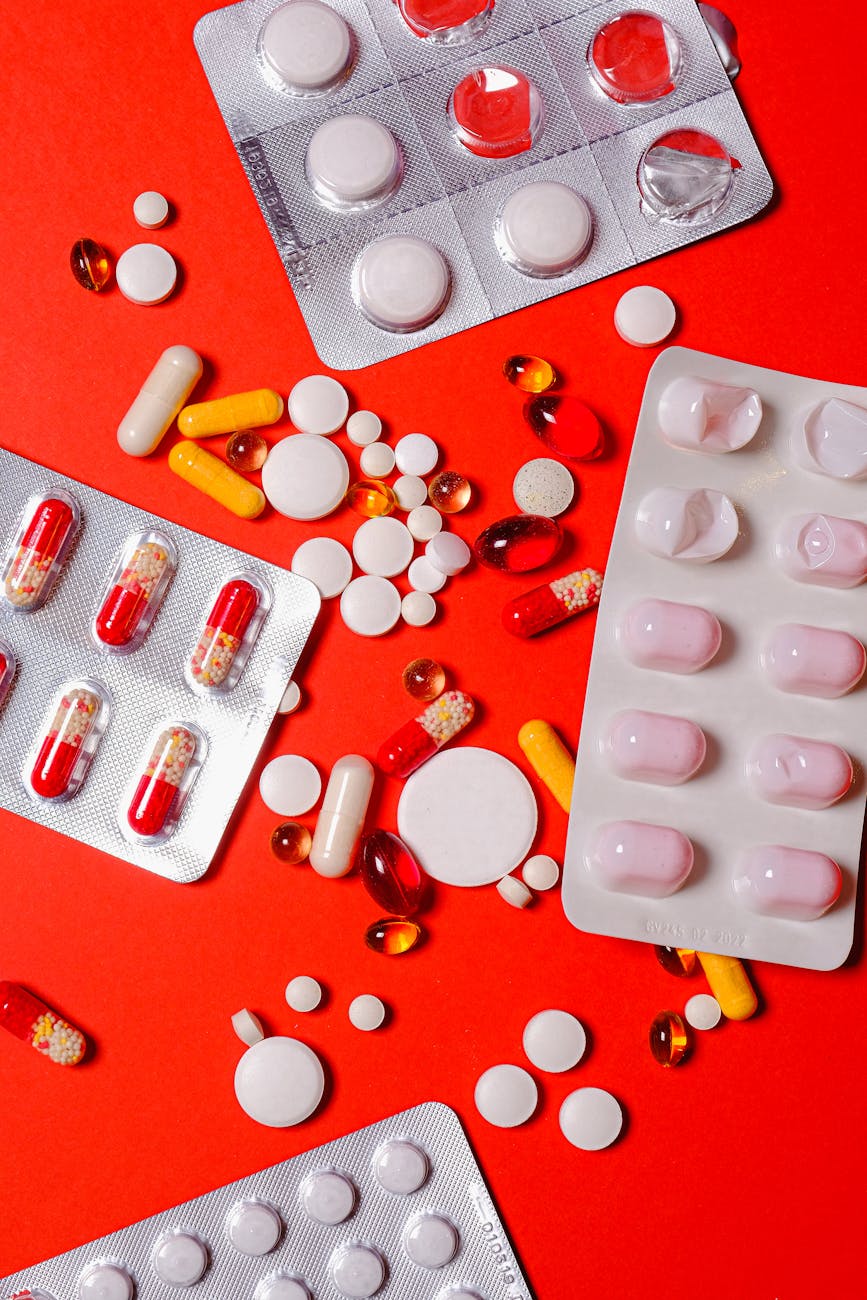
The thought of getting “high” to battle treatment resistant depression might make some folks a little uncomfortable. After all, back in the 80’s there was the big campaign to “Just Say No to Drugs”, the DARE program in schools, and the perpetual “war on drugs” carried out by law enforcement.
During my years in law enforcement I made many arrests for possession of drugs and taken users to jail. Later as an attorney I have both prosecuted people and defended users who were facing charges of possession of illegal drugs.
Several years ago I was honored to have the opportunity to go through the U.S. Department of Justice’s National Drug Court training program. I and the other participants were then able to set up and begin a special treatment court called Drug Court. We helped support and encourage drug offenders to get clean and sober and to remain so. It was one of the most enlightening, as well as, rewarding experiences I’ve ever participated in.
Now as a judge I sentence people who are charged with drug possession and use. I think that my varied experiences and training have benefited me greatly and prepared me for this role. I understand how addiction takes control of the mind and literally changes the chemistry of the brain. It helps me to explain to a parent who brought up their daughter to be a good honest and loving person why she is now stealing money and property to pay for drugs or trading sex for drugs. They don’t understand how their son who was an honor student in high school, now seems to lie whenever he opens his mouth and bounces from job to job, when he’s working at all.
In the end, while holding people accountable for their criminal conduct, I have to remember that most of what’s going on is the drug and the changes it causes to a persons brain and the resulting change in thought patterns and conduct. All they think about is how to get that next dose, that next hit, that next high. They aren’t inherently “bad” people. They are people who have for various reasons used different drugs and become addicted. They are under the influence, even when their drug test reads clean, because their brain chemistry has changed and hasn’t had time to reset. Many of them are unknowingly self-medicating for emotional and mental health problems or illnesses. Physical, mental, and sexual trauma can lead many people to try and deal with their issues themselves through drug use and eventually addiction.
With all this background, I was a bit leery when a psychiatrist suggested the use of Ketamine to try and alleviate my treatment resistant depression (TRD) and suicidal ideation following a suicide attempt in 2019.
After all, I had tried all the different prescription drugs over the years and done individual and group therapy for literally decades. It didn’t make a lot of sense to me that a drug which had been around for many many years and used as a powerful anesthetic could help with TRD.
The Drug Enforcement Administration (DEA) describes Ketamine as a Dissociative Anesthetic. The DEA also says that it is in the same group of drugs as PCP (angel dust), but not as potent and shorter acting. On the street it goes by names like Special-K, Kit-Kat, Vitamin K, Super Acid, and Cat Valium.

I began searching all over the internet looking at official and unofficial websites doing my own research. I was skeptical, but one thing, the proverbial elephant in the room, was the fact that I had just tried to end my own life. So I was, for lack of a better term, desperate to find a cure, an answer, a way out…. but a way out while still alive.
The Food and Drug Administration had recently approved Esketamine for use in the treatment of Major Depressive Disorder or Treatment Resistant Depression with suicidal ideation. Originally they would hook you up to an IV and give it to you intravenously as a direct infusion. The psychiatrist told me how there was now a version of Ketamine on the market called Spravato. It was a form of Esketamine and was given as a nasal spray.
Since it caused all the side effects which illegal ketamine caused, it was still a very controlled substance. It required you to spend several hours at each treatment session with constant observation and medical monitoring by trained staff. On top of that I would have to commit to going at least twice a week and had to have a driver since I would be under the influence for about 12-24 hours each time.
This meant that I would need the help of other people to drive and wait on me. On top of that, I was still an attorney and taking 2-3 days per week out of my schedule would bring that career to a screeching halt.
I also was concerned about how it would look. You see, I have spent my entire life trying to grapple with the depression and one of my primary objectives was to hide it. I went to great lengths to hide my depression from everyone around me. My primary method was to use humor. Sometimes, however, it was just to be the quiet kid in the class who suffered quietly and didn’t understand why he felt so bad and unworthy of any positive response from those around me.
I was the poster child for the old Groucho Marx saying, “Why would I want to be a member of a club which would have me as a member?” There had to be something wrong with me, which I couldn’t identify, and I didn’t know why I had it.
My wife was the county attorney at the time and I worried that my shortcomings could somehow have a negative effect upon her position and career. When I tried to kill myself, only a few people were let in to see me; my wife, our minister, my big sister, and my legal assistant and friend.
The first thing my sister said to me as she hugged me was to whisper in my ear, “Please tell me this was an accident and not on purpose.” Then my legal assistant told her girls, whom I had become close to over the years, that I had suffered an unexpected drug reaction and that was why I was in the hospital.
I wasn’t mad at either of them and I love them still to this day, but it reinforced the stigma of mental illness to me, in particular suicide and depression. It was an uncomfortable situation for them and this was their way of coping. I get it and I don’t blame them at all for how they handled it. If our roles had been reversed, I might have said the same things.
The unfortunate thing is that when I was released from the hospital the following week, I went back to my familiar coping strategies, particularly hiding. I hid my feelings from those around me, from those I worked with, and even my psychiatrist. I hid both emotionally and physically. My wife would get so frustrated because I wouldn’t want to leave the house. She was very social and friendly, while I was reserved, quiet, and hidden as much as possible.
To ask anyone to make such a big commitment to helping me with getting the Spravato Ketamine treatment was unthinkable. After all, I wasn’t worthy of living, let alone asking someone to sacrifice their time and effort to drive me and wait with me.
So the Spravato Ketamine got put on indefinite hold.
Over the next year or so I began to wind down my law practice. We sold the building and I worked from home, but I slowly shrank my practice and stopped practicing in most courts. I went from practicing law in the United States District Court, Kansas District Courts, and municipal courts to just being a city attorney in a few small towns.
A couple years went by and my wife was appointed as a State District Judge, which was awesome, but meant we would have to move. The move was tough for me because I was already isolated and moving to a community over 4 hours away left me completely alone.
Next I lost my psychiatrist/therapist of 20 years when he decided to retire. I had been seeing him 1-2 times per week for 20 years. It was the closest relationship I had, not only because of the time together, but the sheer depth of his knowledge about the thoughts and feelings swirling around in my mind.
It was a life-changing loss.
I was left without professional help and I had no way to find the right office or doctor to try and continue my treatment. I didn’t know anyone in the area to which we moved and, besides that, I wasn’t about to let a stranger into my most guarded personal secret.
I eventually relented and ended up just picking one out of the blue. Out of all the doctors, therapists, and clinics in the Kansas City metro area, I just randomly picked one out of the many I found. My old psychiatrist said he didn’t know them and so he couldn’t really help me with finding someone.
The practice I picked had a large number of psychiatrists on staff and the one thing which caught my eye was that they said they had a Esketamine clinic.
The drive to the clinic is about 60 miles each way, part of which was through city traffic. That means at least two hours of travel. Then there is arrival, prep, and actual treatment, which is 2 1/2 – 3 hours for a total of about 5 hours each time. I also began seeing a new therapist, which added an additional hour one day a week. So one day is 5 hours and the other is 6 hours. This requires not only a large amount of my time, but that of another person to drive me.

Luckily, during this time, my retired father-in-law came to live with us. Between him and my wife, I have a driver for each appointment. While I’m in treatment, they usually work remotely, run errands, shop, or explore the city. On those few times when no one is available, I just have to cancel.
I don’t eat before the treatments because there is always a possibility that you will get nauseous. My treatments are at 1 pm so I go without food all day. I also don’t drink much because the last thing I want to do is try to keep from wetting my pants when I’m under the influence of this powerful drug.
The program is very regimented and the staff does a good job of following the protocols set by the FDA. They take blood pressure, pulse, and oxygen saturation levels.
This is because Ketamine tends to raise your blood pressure and suppress your respiration and heart rate. If you go into treatment and are outside the safety limits, they won’t let you take the treatment.
Everyone also takes a questionnaire about their general health and meds. This is followed by a questionnaire with scaled questions on it. It asks about wanting to die, feeling worthless, energy level, and other standard questions. It is then scored by staff to try and see at what level your depression is at.
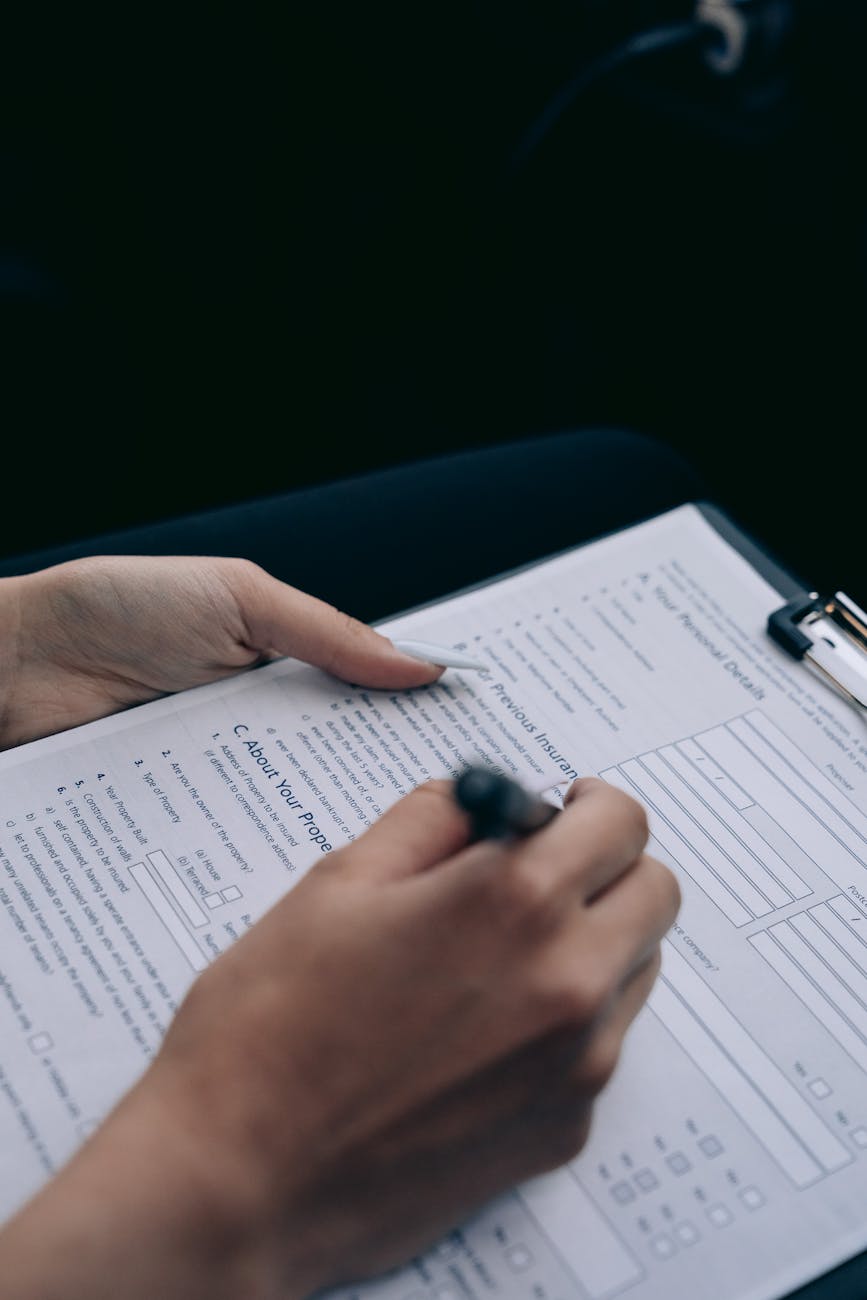
I know from personal experience that if you write anything remotely suicidal or too sad on the questionnaire, a psychiatrist will come into the treatment room to visit with you and decide if you should be hospitalized. They then follow up with a consult later in the week to make sure you are still safe to be alone.
Each patient is seated in a big recliner in a darkened room. On the ceiling are small lights which are meant to enhance the experience and calm people. After all, these are regular people who are taking a drug which will make them feel out of control or out of body. They call it dissociative feelings. Most people get very “high” or “stoned”. Everyone usually has earphones on listening to music of their choice and some watch movies on an iPad.
Each patient has their own prescription box, which the clinic provides. You can’t just go to the CVS pharmacy and fill a prescription for Esketamine. The doctor goes around the room, reviews your questionnaires, and talks with you briefly about how you’ve been feeling. They then open the box which contains 3 large blister packs. Each containing one nasal inhaler. They then open the pack and hand you the inhaler. You then take one inhalation on each side of your nose.
This is repeated 3 times giving you 6 inhalations in total for a total of 84 mg of Esketamine. They time it at exactly 5 minutes between the three doses. Each time I feel more lightheaded and “out-of-it”. For me it hits me the hardest about 15 minutes after the last dose. I’m not asleep, but very close to it. In fact a couple times I was startled when a nurse started tapping me on the shoulder because I had begun to snore.
During the experience I feel like I’m outside my own body and I hear noises and voices which aren’t there. Several times I’ve pulled off my earphones to hear who it was that was talking or making noise, only to find the room silent. It was just in my head. Most folks will recline and zone out in their own world. Some even pull a blanket over their head.
During some treatments I will begin to think about the bad parts of my life and the things I’ve screwed up such as failed marriages and family difficulties. With the Spravato on board, I sometimes begin to weep quietly. The tears rolling down my face in the darkened room. A flood of uncontrolled memories and regrets flooding into my mind. Sometimes I’m able to think things through and end up not as sad, but other times it is heart wrenching to go through. The staff is pretty good about visiting with you if they sense you are having a tough time. After several treatments they get to know you and can then spot when your experience is going to a dark and stressful place.
Between the music, reclining in the darkened room, the swirly lights, and the medicine, I am able to do a great deal of self-reflection and thought exploration. On more than one occasion I have had what to me is a sort of epiphany regarding why I feel or act a certain way.
The medicine actually resets neural pathways related to your depression and causes new pathways to form. The experience of taking the medicine is not the main reason for receiving it. Rather, it is a side effect of the delivery method. It is the neural pathway creation and rebuilding in your brain that you are after.
While I’ve never talked to anyone about it, I’ve unexpectedly found a place emotionally of not feeling so alone.
I see 5-7 patients at each session and it has occurred to me, for the first time, that I am not alone in this. That for most of these people depression has been a lifelong struggle in their lives like it has been in mine. That for them, as for me, it is a last ditch effort to try just about anything to feel better. You will see different statistics on success rates. Some people have had remission after one or two treatments while some have needed more. I’m in the third group which have needed extended treatment and have now gone through about 65 treatments.
With a few minor setbacks, I’ve been free of most suicidal ideation and have become less depressed. I am working part-time on the non-treatment days and getting out of the house. I haven’t restarted everything because certain activities have a huge emotional effect on my life. Unfortunately church is one of the biggest issues I’ve been trying to get a handle on.

I like my church and the good folks I know there. I plan on returning, hopefully in the near future. Anyone who has read my other blogs will know that the church is my home, family, and reflection of who I am.
It was where I would play as a child and rejoice as an adult. It is part of what makes me who I am. I haven’t given up on it. Being a Methodist preachers kid has meant that church was my home and family. Dealing with the issues related to that relationship is still a work in progress.
If I have to do this until I run out of rides or insurance, I will, if it continues to help. I’ve spent most of my life feeling like my gas tank, low-fuel light is on all the time. I would rate this to be a success if I could get up to half a tank. I’m not asking to jump for joy, I just don’t want to feel bad for being alive.
I’m not a doctor, at least of medicine. So I can only tell you my own very personal experience. For me to write this blog about my treatment is a sign that something positive has begun to take root inside my soul. Hiding is exhausting and I’m done with being tired.
Take care. You are not alone. Remember, in the U.S. you can dial 988.
 Call Me Lou.
Good insights, John! Keep
LikeLiked by 1 person
I’m still here because of all your help, caring, and friendship. Thank you so very very much! I can never adequately express in words what our relationship has meant to me, my friend!
LikeLike
John, I am proud of the way you are handling your issues. I also know this has been a problem for you for a long time. You are loved by many and are never alone. Moving around as a PK was hard. I know it is hard to make friends only to lose them when you move. Keep doing what works for you. All will fall in line in due time. Work on going back to church, only when you are comfortable, faith helps a lot. You come from a long line of Methodists.
LikeLiked by 1 person
Your kind words help me a great deal. I absolutely plan on returning to church. I just am trying to take a step at a time. I used to feel like I was betraying my faith by stepping back for a time. Hopefully I will return a better Methodist and Christian by working things out first.
Thank you!
LikeLike
Glad to hear this. Baby steps are the best. Do things as you can. Take care of you cousin of mine.
LikeLiked by 1 person
Dear, Dear John. This blog has touched me in so many ways. My daughter, 44 years old, passed away 9/23 as a result of 17 years of substance abuse. She had been clean for 7 years, but the drugs destroyed her body.
Having battled depression my entire life, I wept, because FINALLY, someone knows how it feels. I am praying for you everyday. Fight, fight every day in any and all ways, to either defeat or coexist with the “black dog”. You are a gift to all of us. You have given a voice to this, and in so doing, have given yourself voice.
I support and thank you.
Brenda Finn Bowers
LikeLiked by 1 person
Brenda, your support has warmed my heart. I was afraid that it wasn’t being read. You have my heartfelt virtual hug. I’m sorry you’ve gone through such intense struggles and your loss. Together we can deal with that “black dog”!
Take care my friend.
LikeLike
I pray with my whole heart that this drug may give you some peace. I love you and if I were closer I would drive you. God is with you. Janice
LikeLiked by 1 person
Thank you so much, Janice. I love you too!
LikeLike
Have I told you lately how proud I am of you? Well, believe it Louis Jane, because are my hero.
LikeLiked by 1 person
I love you too big sister!
LikeLike